

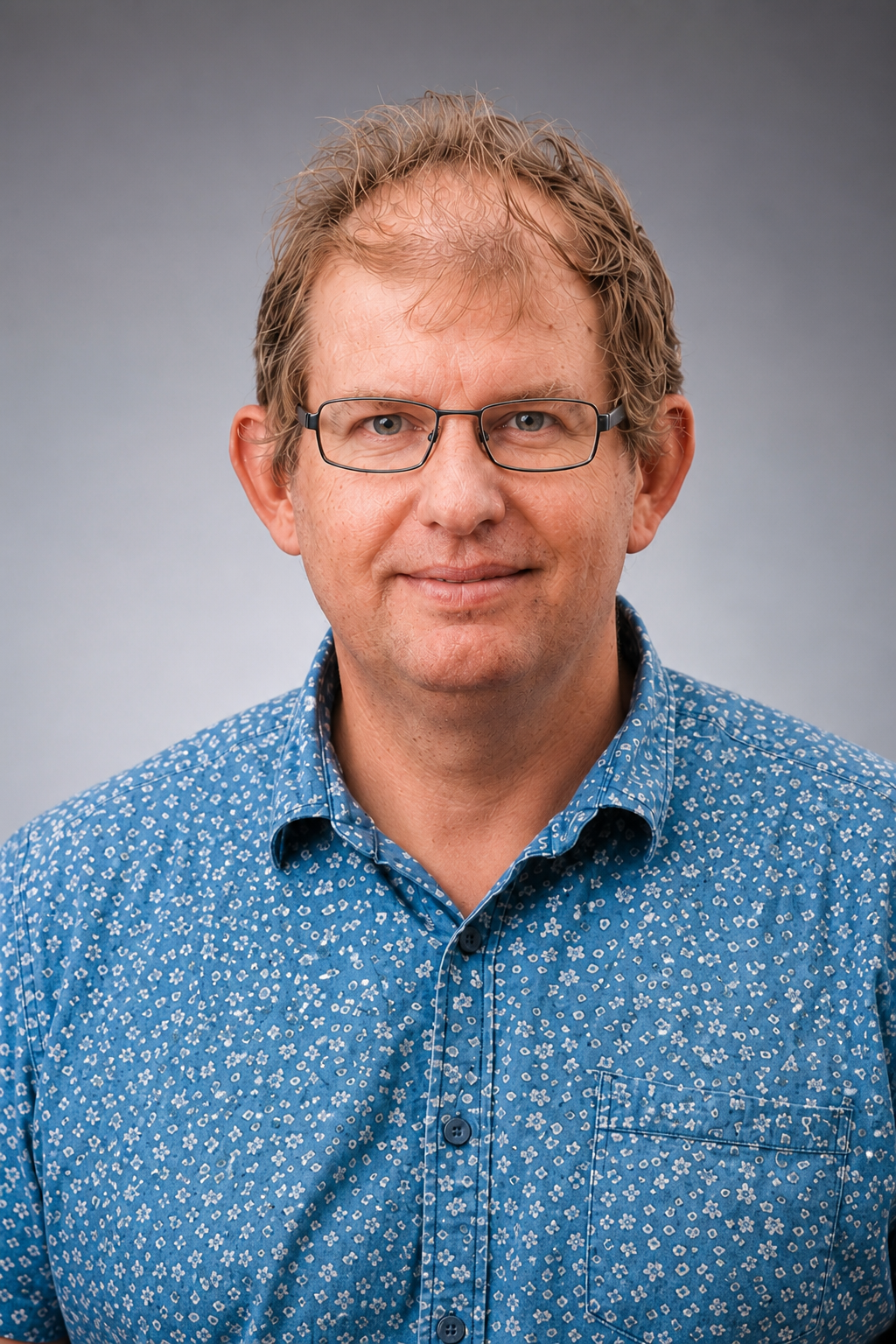
Meet the founder
Advanced technology skills, grounded in the reality of broadcast radio.
David Gilbert is a software and web developer, systems administrator, technology problem-solver, and community-radio leader. More than 20 years across IT have taken in application development, website design and hosting, Windows and Linux systems, networking, cyber security, computer hardware, electronics, IoT, and single-board computers.
That breadth matters in broadcasting. A feature is never only a screen or a line of code: it touches audio hardware, operating systems, networks, storage, volunteer training, studio ergonomics, continuity, and what happens when something goes wrong on air.
BroadcastLabs brings those disciplines together around one purpose: developing useful applications for broadcasters, informed by real station work and able to evolve as the industry and its communities change.
Complex systems made operable
David designs end-to-end desktop applications around real workflows: audio engines, scheduling, data models, integrations, diagnostics, updates, and interfaces that remain clear under pressure.
From public story to dependable service
Long experience in web design, hosting, databases, systems administration, networking, and cyber security supports both the public product experience and the services behind each release.
Software that understands the physical studio
Hands-on capability with computers, electronics, IoT, and connected devices informs practical decisions about audio sources, triggers, controls, interfaces, and reliability.
Community radio leadership
Experience measured in shifts, handovers, volunteers, and responsibility.
As President of 92.3 FM 2YYY Radio in Young, New South Wales, David sees both sides of the console: the creative work of giving local people a voice and the operational work required to sustain a volunteer-run station broadcasting around the clock.
Presenter perspective
Good software should help a presenter stay connected with the audience instead of fighting the workstation.
Volunteer reality
Controls, status, and documentation must work for people with different experience, confidence, and time to train.
Station responsibility
Reliable automation, content delivery, library care, and logging are essential when a small team carries a 24-hour service.
Local purpose
The technology exists to support local music, information, stories, emergency connection, and voices that may not be heard elsewhere.
Why release the suite for free?
Because a station's ability to serve its community should not depend on a large software budget.
Community stations often inherit fragmented libraries, older computers, manual processes, and specialised commercial systems priced for much larger organisations. David was compelled to turn the tools he wanted in his own station into a coherent suite that other broadcasters could use too.
Free distribution is part of the design brief. It lowers the barrier for a station to solve one immediate problem, test the software off air, train its people, and adopt more only when useful. The goal is not technology for its own sake; it is stronger Australian community radio, more resilient stations, and more time for the people and places they represent.
Tools for better broadcasting